

In heavy industry choosing between hard chrome and nickel for coating is very common. Both coatings improve the performance of steel components, but for two different purposes. Selecting the wrong one can lead to premature part failure, increased maintenance costs, and unexpected downtime.
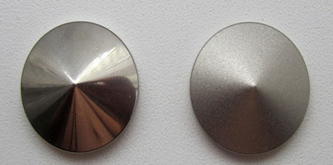
Hard Chrome
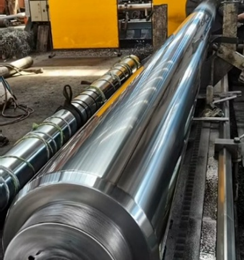
Hard Chrome Plating involves electroplating a layer of chromium onto a metal surface to improve hardness, durability and corrosion protection. Thus, the design ensures mechanical endurance.
Key Properties
Extreme hardness is up to 70 HRC, low coefficient of friction, and high heat resistance.
Best Uses
Hydraulic rods, cylinders, rollers, and shafts that face constant sliding or pivoting friction.
Nickel Plating
Electroless Nickel Plating is a process involves depositing a uniform layer of nickel-phosphorus alloy onto the surface of a metal. Unlike chrome, it doesn’t require electricity, allowing for a uniform coat.
Key Properties
Superb chemical resistance, non-porous structure, and exceptional uniform coverage on complex shapes.
Best Uses
Valves, gears, and internal bores, especially in the oil, gas, and chemical sectors where parts are submerged in corrosive fluids.
Hard Chrome and Nickel Plating Comparison
| Feature | Hard Chrome Plating | Electroless Nickel Plating |
| Hardness | Superior: 850–1,100 HV | Good: 500–700 HV (can be heat-treated) |
| Corrosion Resistance | Moderate: Micro-cracked structure | Excellent: Provides a pore-free barrier |
| Thickness Capability | High: Ideal for building up worn parts | Limited: Usually applied in thin, precise layers |
| Cost | Higher: Requires custom anodes/tooling | Moderate: Often more cost-effective for complex shapes |
| Repairability | Easy: Can be stripped and replated | Difficult: More complex to strip without damage |
When to Choose Hard Chrome
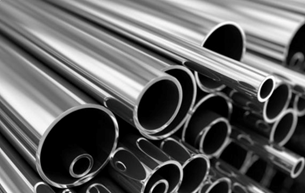
Choose Hard Chrome when abrasion and friction are your primary challenges. Specifically, if your component is a high-load hydraulic ram or an industrial roll that needs to resist scratching and wear under heavy mechanical pressure. Therefore, hard chrome is the best and perfect option.
When Nickel Might Be Better
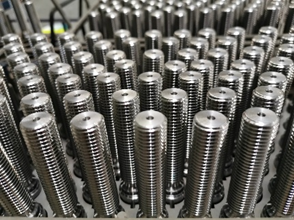
Choose Nickel when geometry and environment are the main concerns. In particular, if your part has complex internal threads or intricate cavities that need a uniform coating, or if it will be exposed to high-salt or acidic environments, then, nickel is the right choice for your component.
Why SJD Engineering Specialises in Hard Chrome for Heavy Industry
At SJD, we focus on the most demanding sectors such as mining, construction, transport, and manufacturing. Therefore, we specialise in Hard Chrome because these industries rely on the longevity and repairability that only chrome can provide.
Our facility handles large-scale components efficiently, ensuring that your critical hydraulic systems return to service with a more durable surface.