

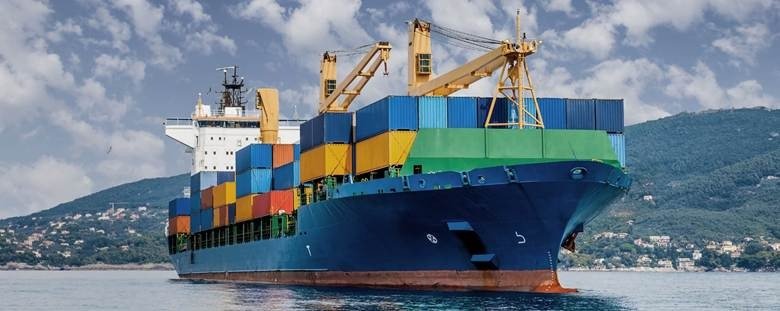
Operating in marine environments is one of the toughest tests for any mechanical system. Cargo and commercial ships such as container ships, bulk carriers, as well as passenger vessels like cruise ships are exposed to extreme marine conditions spanning from constant saltwater exposure, physical impact and heavy equipment load. Due to these, marine equipment faces a relentless assault from corrosion and friction which eventually degrades ships performance.
Marine equipment failure is not just an operational inconvenience; it carries massive financial losses in dry-dock time and safety risks offshore. To combat this, Hard Chrome Plating (HCP) serves as a vital technology for protecting and restoring critical marine components.
Marine Extreme Environments
Marine equipment experiences intense mechanical stress and aggressive chemical exposure during long operation and navigation, leading to component degradation.
- Abrasive Salt and Grit
Solid particles such as salt crystals, marine silt, sand, and cargo debris that mix with mixture and lubricants form an aggressive slurry that rapidly degrades dynamic moving parts and seal assemblies.
- Chloride Attack and Pitting
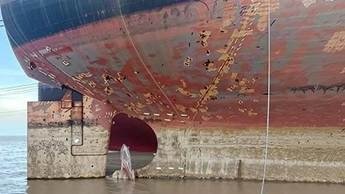
Seawater contains high concentrations of chloride ions, which aggressively attack standard base metals. Microscopic pits quickly form on unprotected surfaces, escalating into deep localised corrosion and accelerating structural fatigue under dynamic load.
- Intense Hydraulic Demands
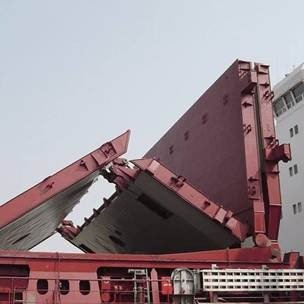
Deck cranes, steering gears, anchor winches, and hatch covers rely on massive hydraulic cylinders that must operate smoothly under immense pressure, often in freezing or tropical marine climates.
How Hard Chrome Solves Marine Challenges
Hard chrome plating protects vital marine equipment by creating a barrier that resists corrosion and intense mechanical wear.
- Saltwater Corrosion Protection
The chromium layer acts as a tight barrier against moisture and salt from the ocean. The chromium barrier actively prevents rust and oxidation on valves, hydraulic cylinders, and pumps exposed to harsh seawater.
- Extreme Wear Resistance
Hard chrome plating provides a surface hardness up to 72 Rockwell C. Its extreme micro-hardness prevents metal scratching, scoring, indentations from sand and as well as abrasion from constant metal to metal contact.
- Thicker Marine Deposits
In marine, equipment is often applied thicker chrome layer than standard industrial applications to ensure longer lifespan of the component. Thus, only hard chrome can provide this because its thickness can be adjusted to the clients desired measure without compromising its hardness.
- Low Friction
Hard chrome plated naturally has a low coefficient of friction which minimises heat buildup and wear on moving parts like shafts and piston rods. It improves the overall mechanical efficiency of the equipment.
- Dimensional Restoration
It is easier to restore marine parts to their original or desired dimensions. Instead of buying new parts, marine engineers can replate and repolish corroded cylinders and shafts to like new condition parts. Therefore, reconditioning marine components through hard chrome plating benefits the company.
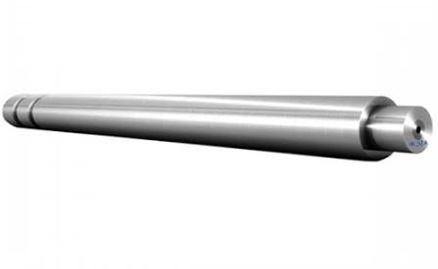
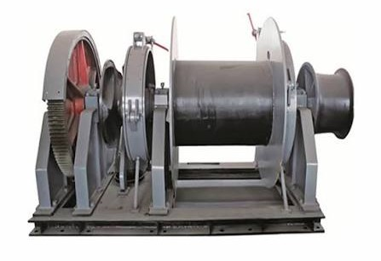
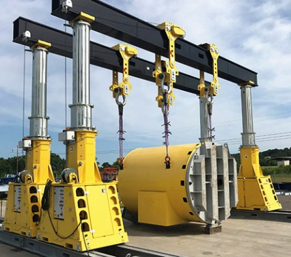
Hard Chrome Plating in Major Marine Components
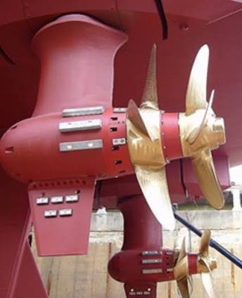
Ready to protect your fleet against aggressive marine corrosion and abrasive wear? Partner with SJD Engineering for expert hard chrome plating, precise dimensional restoration, and custom thickness solutions tailored to your operational demands.
Contact SJD Engineering today to request a quote or consult our technical team on extending the service life of your critical marine components.